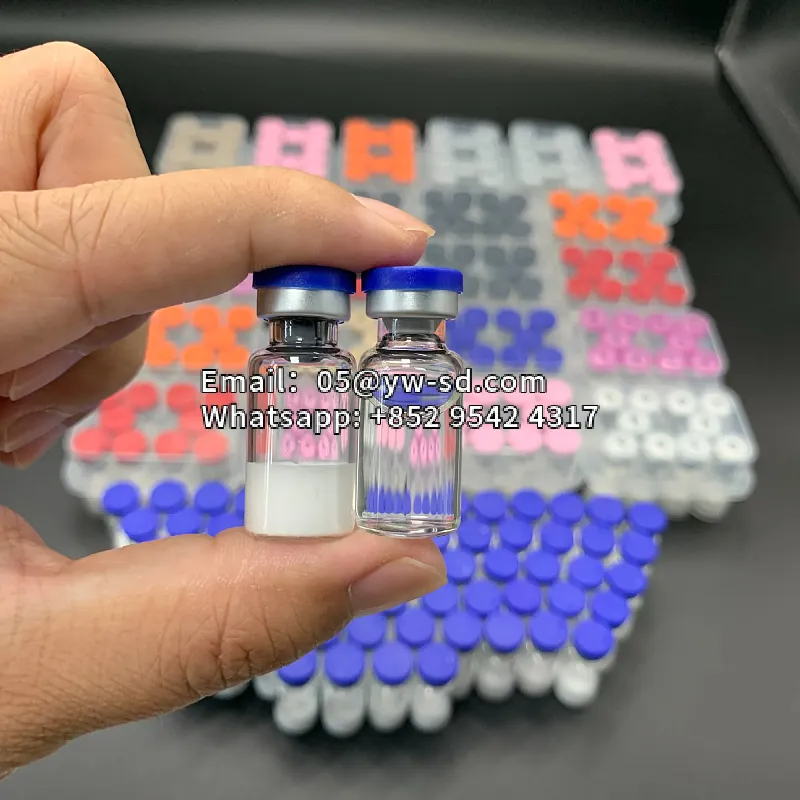
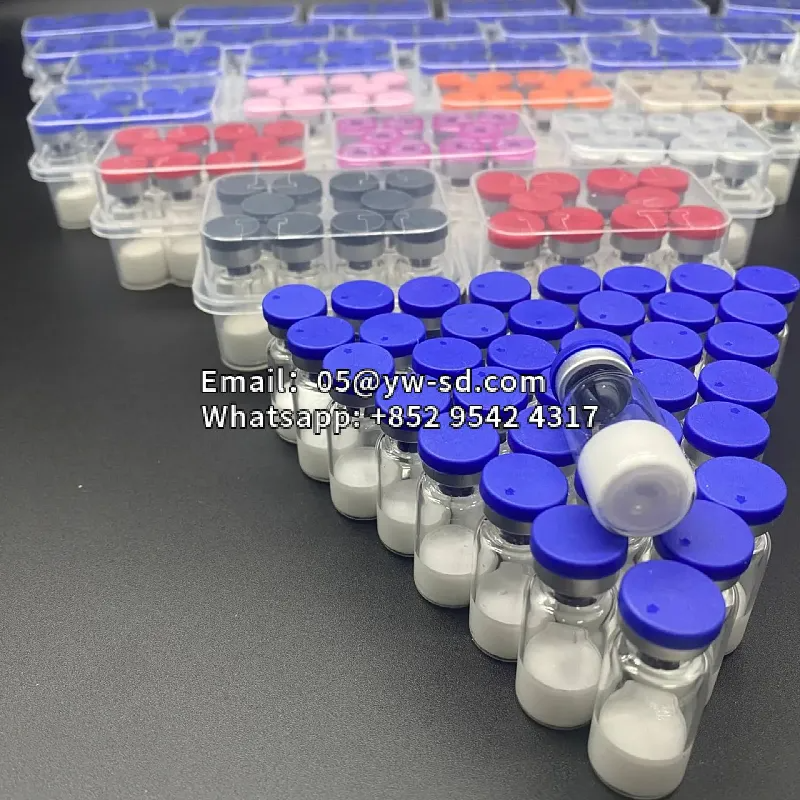
GHK – Cu Peptide 50mg: A Multifunctional Powerhouse in Scientific Research and Potential Therapeutics
In the dynamic landscape of scientific research and emerging therapeutics, GHK – Cu peptide 50mg has emerged as a compound of great intrigue. Comprising a tripeptide sequence of glycine – histidine – lysine chelated with a copper ion (Cu²⁺), this small yet mighty molecule has been the subject of extensive investigation due to its wide – ranging biological activities.
The Distinctive Nature of GHK – Cu Peptide 50mg
A Natural – Derived Wonder
GHK – Cu was first discovered in human plasma, where it is naturally present at higher concentrations in young individuals. Its presence declines with age, which has led researchers to explore its potential in rejuvenation – related studies. The peptide’s unique structure, with the copper ion bound to the tripeptide, confers it with specific properties that are crucial for its biological functions.
Multifaceted Biological Activities
GHK – Cu peptide 50mg exhibits a plethora of biological activities, making it a versatile molecule for various research applications. It has been associated with wound healing, collagen synthesis, antioxidant effects, and anti – inflammatory properties, among others. These activities suggest its potential utility in fields such as dermatology, tissue engineering, and even in the study of age – related diseases.
Efficacy in Diverse Biological Processes
Wound Healing and Tissue Repair
Numerous studies have demonstrated the remarkable ability of GHK – Cu peptide 50mg to accelerate wound healing. In in – vitro models, it promotes the migration and proliferation of fibroblasts, the cells responsible for producing collagen and extracellular matrix components. This enhanced cell activity leads to more rapid formation of new tissue, reducing the time required for wounds to close. In animal studies, topical application of GHK – Cu peptide 50mg has been shown to improve the quality of wound repair, with reduced scarring and improved tissue integrity.
Collagen Synthesis and Skin Health
Collagen is a vital protein for maintaining the structure and elasticity of the skin. GHK – Cu peptide 50mg has been found to stimulate collagen synthesis in fibroblasts. By increasing the production of collagen types I and III, it helps to maintain skin firmness and reduce the appearance of fine lines and wrinkles. This property has made it a popular ingredient in anti – aging skincare research, as it offers a potential natural alternative to more invasive cosmetic procedures.
Antioxidant and Anti – Inflammatory Effects
Oxidative stress and chronic inflammation are underlying factors in many diseases, including skin disorders, neurodegenerative diseases, and cardiovascular diseases. GHK – Cu peptide 50mg exhibits potent antioxidant activity by scavenging free radicals and upregulating antioxidant enzymes in cells. Additionally, it has anti – inflammatory properties, suppressing the production of pro – inflammatory cytokines. These combined effects make it an attractive candidate for research into preventing and treating conditions associated with oxidative stress and inflammation.
Chemical and Pharmacological Attributes
Molecular Structure and Stability
The molecular formula of GHK – Cu peptide 50mg is C₁₅H₂₆N₆O₆Cu, with a molar mass of approximately 457.9 g/mol. The chelation of the copper ion to the tripeptide stabilizes the molecule and is essential for its biological activity. The copper ion can exist in different oxidation states, and the redox properties of GHK – Cu play a role in its antioxidant and signaling functions.
Pharmacokinetic Profile
When administered topically, GHK – Cu peptide 50mg can penetrate the skin to reach the underlying tissues. In systemic administration studies (mostly in animal models), it is absorbed into the bloodstream and distributed to various organs. It is metabolized relatively slowly, allowing for sustained biological effects. However, its exact pharmacokinetic parameters can vary depending on the route of administration, formulation, and the species being studied.
Mechanism of Action
Cell Signaling Pathways
GHK – Cu peptide 5mg exerts its effects through multiple cell signaling pathways. It binds to specific cell surface receptors, although the exact nature of these receptors is still under investigation. Once bound, it activates intracellular signaling cascades that regulate gene expression. For example, it can upregulate genes involved in collagen synthesis, cell proliferation, and antioxidant defense mechanisms. Inflammatory pathways are also modulated, with GHK – Cu peptide 50mg inhibiting the activation of transcription factors that drive the production of pro – inflammatory molecules.
Copper – Mediated Effects
The copper ion in GHK – Cu peptide 5mg plays a crucial role in its mechanism of action. Copper is a cofactor for many enzymes involved in biological processes such as collagen cross – linking, antioxidant defense, and angiogenesis. By delivering copper to cells, GHK – Cu peptide 50mg can enhance the activity of these enzymes, contributing to its effects on tissue repair, antioxidant protection, and blood vessel formation.
Research Applications
Dermatology Research
In dermatology, GHK – Cu peptide 50mg is being studied for its potential in treating a variety of skin conditions. This includes not only anti – aging applications but also the treatment of skin ulcers, burns, and scarring. Researchers are exploring its use in developing novel topical formulations that can effectively deliver the peptide to the skin and enhance its therapeutic effects.
Tissue Engineering and Regenerative Medicine
The ability of GHK – Cu peptide 50mg to promote cell growth, collagen synthesis, and tissue repair makes it a promising candidate for tissue engineering. It can be incorporated into scaffolds used for growing cells in the laboratory, with the aim of creating functional tissues for transplantation. In regenerative medicine, GHK – Cu peptide 50mg may also be used to enhance the body’s natural healing processes, for example, in the treatment of bone fractures or tendon injuries.
Age – Related Disease Research
As oxidative stress and inflammation are key factors in the development of age – related diseases such as Alzheimer’s disease, Parkinson’s disease, and cardiovascular disease, GHK – Cu peptide 50mg’s antioxidant and anti – inflammatory properties make it an interesting molecule for research in these areas. Studies are investigating its potential to protect neurons from oxidative damage, reduce inflammation in the cardiovascular system, and slow down the progression of age – related diseases.
Reasons to Choose GHK – Cu Peptide 50mg in Research
Well – Studied and Versatile
Thanks to a large body of pre – clinical research, the biological activities and mechanisms of action of GHK – Cu peptide 50mg are relatively well – understood. This provides researchers with a solid foundation for designing new experiments and exploring its potential in different applications. Its versatility, with effects on multiple biological processes, makes it suitable for a wide range of research fields.
Natural and Biocompatible
Being a naturally – occurring peptide, GHK – Cu peptide 50mg is generally considered biocompatible. This reduces the risk of immune responses or toxicity issues compared to some synthetic compounds. Its natural origin also makes it an attractive option for research into developing natural – based therapies or cosmetic products.
High Purity and Quality Assurance
Reputable suppliers offer GHK – Cu peptide 50mg in high purity. Each batch undergoes rigorous quality control testing, including techniques such as high – performance liquid chromatography (HPLC) to ensure its identity, purity, and potency. This high – quality product ensures reliable and consistent results in research studies.

Safety Considerations
It is important to note that GHK – Cu peptide 50mg is intended for research use only and is not approved for human or animal therapeutic use without proper authorization. Researchers handling this compound should follow strict safety guidelines, including wearing appropriate personal protective equipment, working in a well – ventilated area, and storing the peptide at the recommended temperature. In case of accidental exposure, appropriate first – aid measures should be taken immediately, and medical advice should be sought if necessary.
Sourcing GHK – Cu Peptide 50mg
When looking for a reliable source of GHK – Cu peptide 5mg for research, it is crucial to select a supplier with a strong reputation in peptide synthesis and quality control. Reputable suppliers will provide detailed product information, including a Certificate of Analysis (COA) that verifies the purity, identity, and potency of the product. They will also offer excellent customer service and support, ensuring that researchers have all the necessary information to conduct their studies safely and effectively.
In conclusion, GHK – Cu peptide 50mg represents a highly promising molecule in scientific research, with its multifunctional properties opening up new avenues for exploring treatments and understanding biological processes related to wound healing, skin health, tissue regeneration, and age – related diseases. Its well – established biological activities, natural origin, and high – quality availability make it an ideal choice for researchers aiming to make significant contributions in these fields.